
Plant-based and vegan
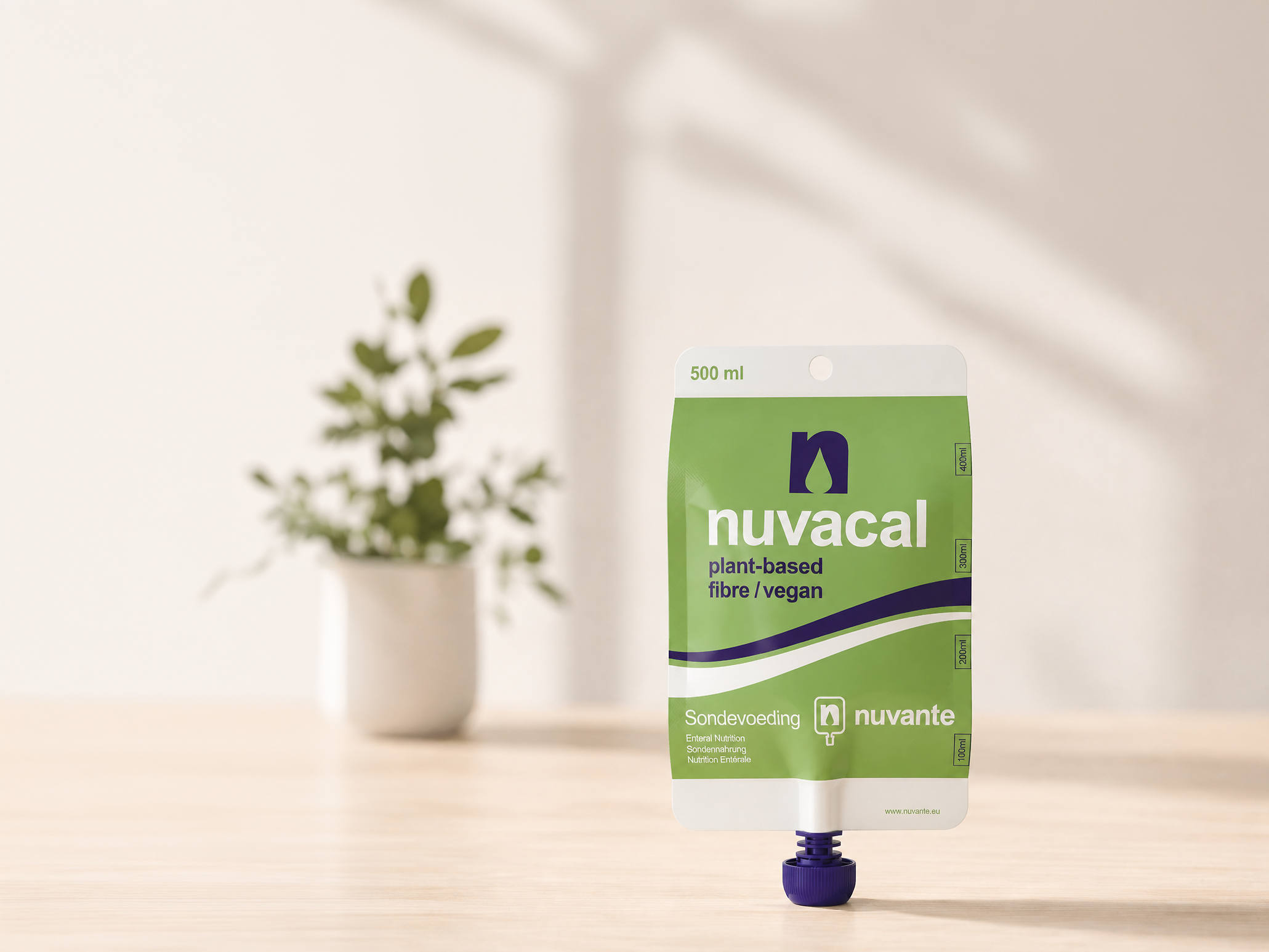
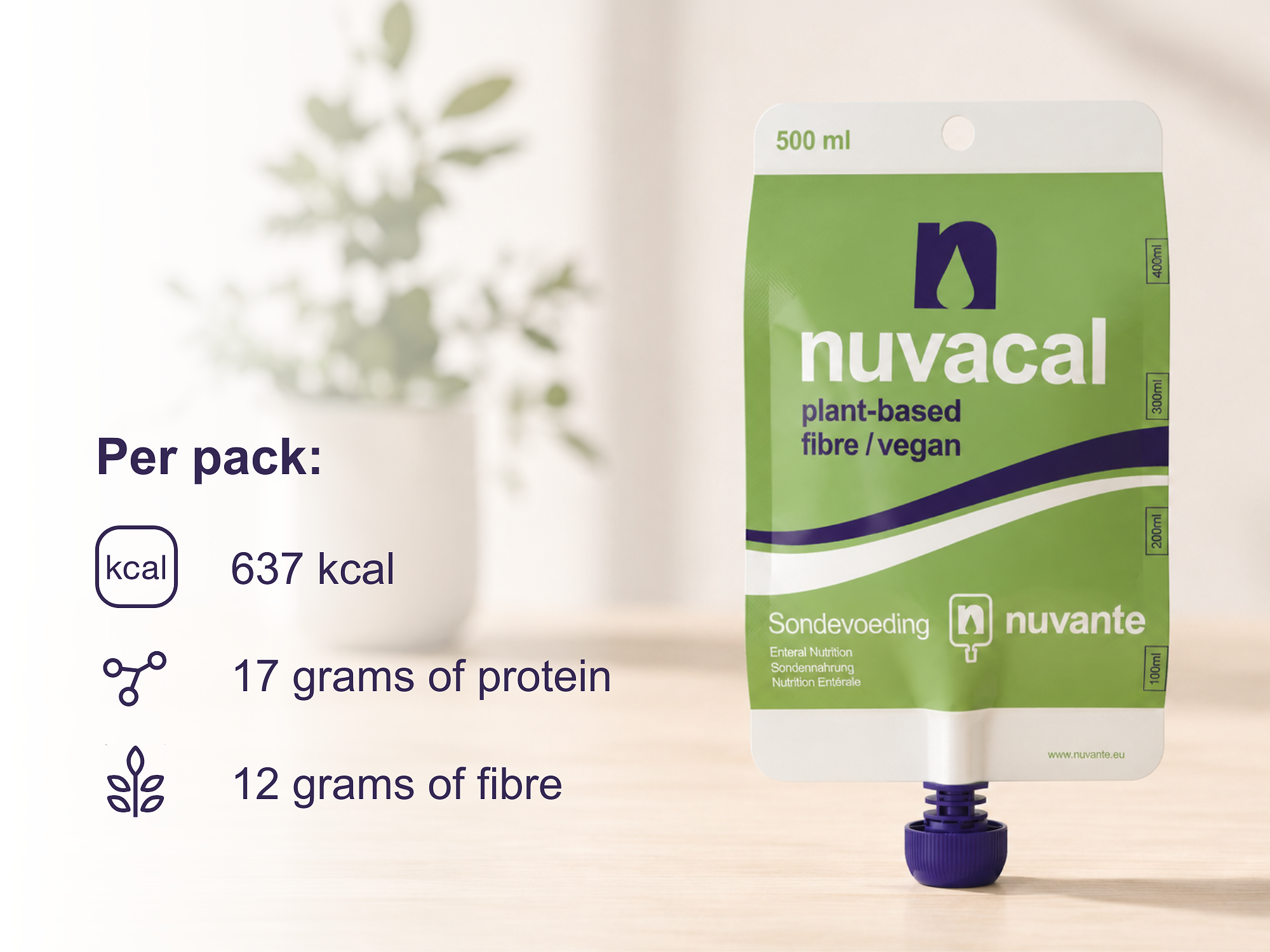
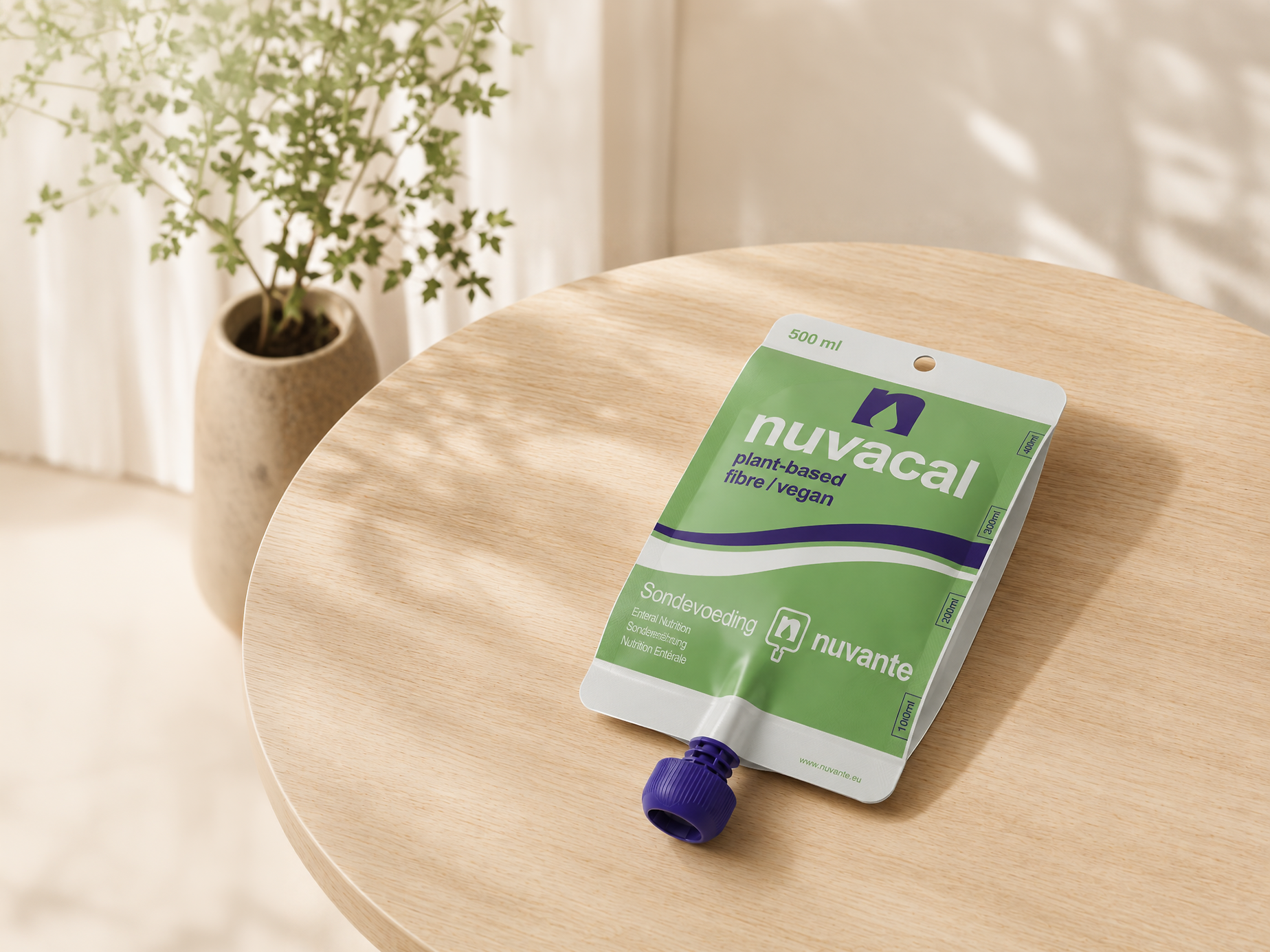
Nuvacal 1.3
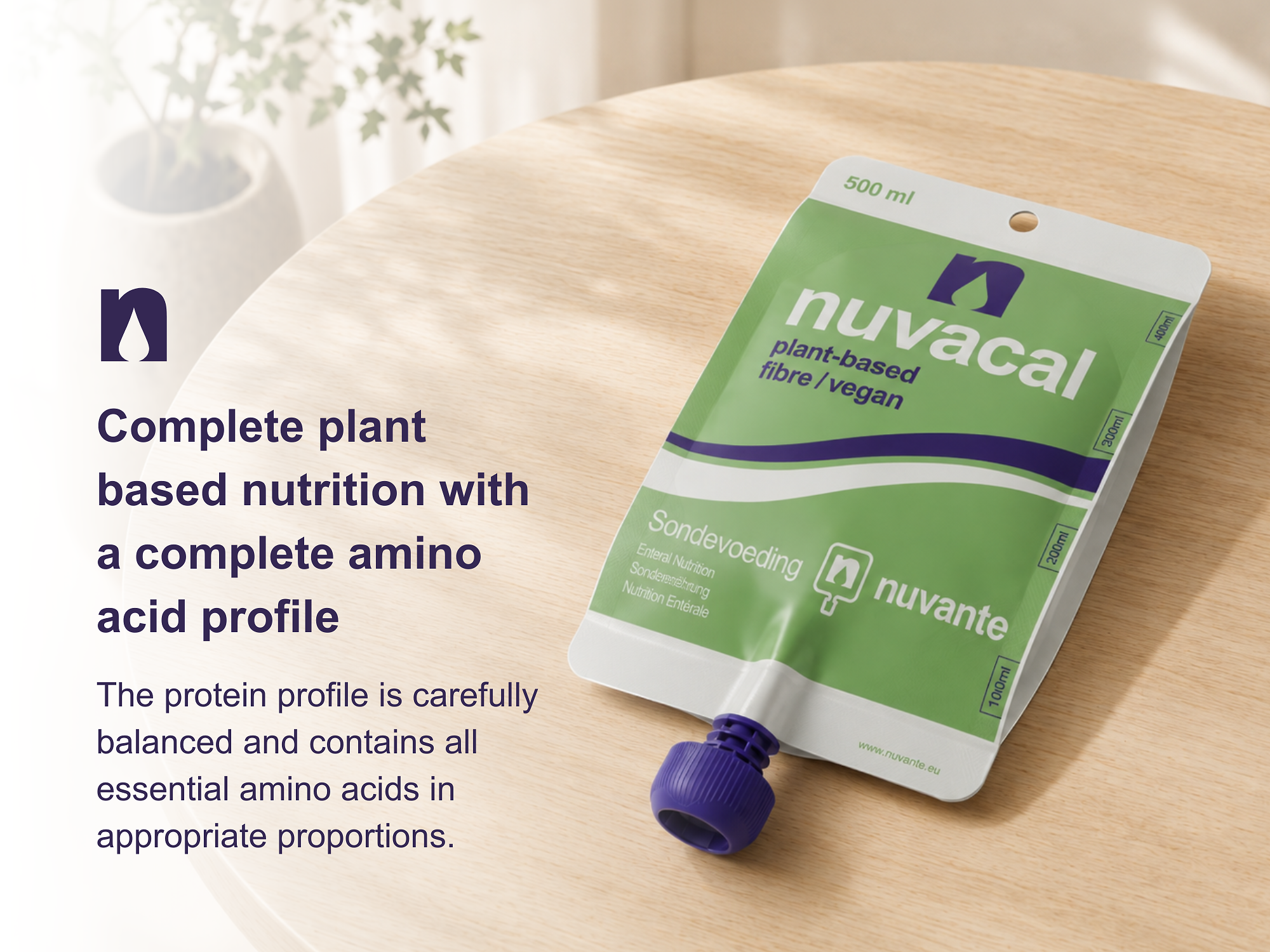
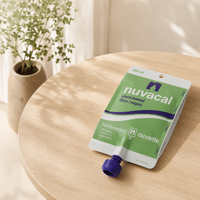
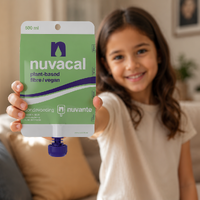
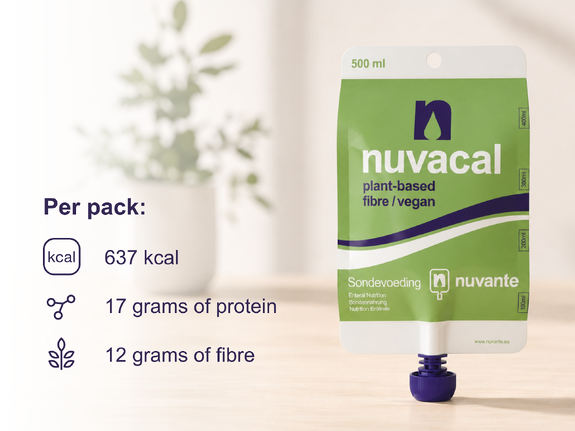
Nuvacal 1.3 is designed for normal energy requirements and contains fibre. This plant-based, vegan formula provides a complete amino acid profile.

Nuvacal 1.3 is a high-calorie formula providing 1.3 kcal per ml. Its proteins are derived from plant-based sources. Plant-based proteins can be nutritionally valuable, but often have a lower DIAAS score or insufficient levels of a particular essential amino acid. Nuvacal 1.3 has therefore been supplemented with specific amino acids based on laboratory analysis, ensuring a complete amino acid profile. The formula also contains fibre from multiple sources.
Features:
- 1,3 kcal/ml
- Vegan
- Suitable as a sole or supplementary source of nutrition
- Easy to administer
- Suitable for use with a feeding pump
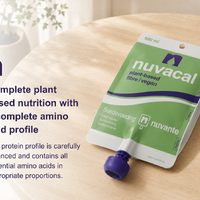
- Complete amino acid profile
- Plant-based proteins
- Contains fibre from multiple sources
Produced in the Netherlands- Allergen: soya
Ingredients & allergens
Water, rice syrup, rapeseed oil, SOYA beans, green peas, SOYA protein isolate, raisins, dietary fibres (inulin, guar gum), algal oil, amino acids (L-methionine, L-tryptophan, L-cystine), minerals (potassium citrate, calcium carbonate, sodium citrate, potassium phosphate, sodium chloride, manganese sulphate, zinc sulphate, copper sulphate, potassium iodide, sodium selenite), maltodextrin, vitamins (vitamin C, niacin, vitamin K, vitamin D, vitamin A, pantothenic acid, thiamine, vitamin B12, vitamin B6, riboflavin, folic acid, biotin).
Indication
Food for special medical purposes. Enteral nutrition with fibre for the dietary management of disease-related malnutrition or the risk thereof. Nutritionally complete, ready-to-use tube feed. Suitable for adults and children aged 3 years and over.
Important
Use under medical supervision. Suitable as a sole source of nutrition. For enteral use only. Not for parenteral use. Recommended dosage: as prescribed by the treating physician or dietitian.
Instructions for use
Store unopened at room temperature in a cool, dry place until the stated expiry date. Do not add medicines or other foods. After opening, reseal, refrigerate and use within 24 hours. Maximum hang time: 24 hours in a closed system and 8 hours in an open system.
Nutritional values
Average values per 100 ml
| Energy | 534 KJ/ 128 kcal |
| Fat | 5 g |
| Saturated fatty acids | 0,6 g |
| Monounsaturated fatty acids | 1,4 g |
| Polyunsaturated fatty acids | 3,1 g |
| Carbohydrate | 15,1 g |
| Of which sugars | 10,2 g |
| Glucose | 3,1 g |
| Fructose | 0,9 g |
| Sucrose | <0,1 g |
| Lactose | <0,1 g |
| Protein | 3,4 g |
| Fibre | 2,3 g |
| Salt | 0,34 g |
Micronutrients
Gemiddelde per 100ml
| vit A | 64,00 µg |
| Vit D | 2,30 µg |
| Vit E | 3,13 mg |
| Vit K | 12,80 µg |
| Vit C | 12,80 mg |
| Thiamine | 0,29 mg |
| Riboflavin | 0,29 mg |
| Niacin | 2,05 mg |
| Vit B6 | 0,29 mg |
| Folic acid | 20,48 µg |
| Vit B12 | 0,32 µg |
| Biotin | 6,02 µg |
| Pantothenic acid | 0,63 mg |
| Sodium | 135,03 mg |
| Potassium | 236,80 mg |
| Chloride | 87,04 mg |
| Calcium | 111,36 mg |
| Phosphorus | 89,60 mg |
| Magnesium | 30,43 mg |
| Iron | 1,71 mg |
| Zinc | 0,90 mg |
| Copper | 0,13 mg |
| Manganese | 0,15 mg |
| Iodine | 15,36 µg |
| Selenium | 5,76 µg |
| Chromium | 9,64 µg |
| Molybdenum | 19,29 µg |
| Fluoride | <0,11 mg |
Complete amino acid profile
Proteins
Nuvacal 1.3 contains proteins derived from plant-based sources. Plant-based proteins can be nutritionally valuable, but often have a lower DIAAS score or insufficient levels of a particular essential amino acid. Nuvacal 1.3 has therefore been supplemented with specific amino acids based on laboratory analysis, ensuring a complete amino acid profile.
Plant-based and sustainable source
Omega-3
The omega-3 fatty acids naturally found in fish actually originate from algae. Fish obtain these fatty acids through their diet within the marine food chain. Sourcing omega-3 directly from algae provides a plant-based and sustainable source of DHA and EPA without using fish oil.
By choosing algal oil, we use a high-quality source of omega-3 fatty acids that reflects our vision for future-focused, carefully developed enteral nutrition.
Nutritional effect
Food matrix
The nutritional value of a product is determined not only by the amount of nutrients it contains, but also by how they are structured and interact: the food matrix. This also affects how effectively nutrients can be released and absorbed by the body. As a result, two products with identical nutritional information can have different nutritional effects.
This is particularly relevant for tube feeding. To ensure that a product is safe, homogeneous and suitable for use with a feeding pump, it must, by definition, undergo extensive processing. During this process, nutrients are separated from their original matrix and recombined. At Nuvante, we consciously take this into account when developing our formulations, alongside conventional nutrient analysis. We consider the interactions between proteins, fats and fibres, as well as the impact of our production process on the product’s final digestibility.
Frequently asked questions
Here you will find answers to the most frequently asked questions.
When will Nuvacal be available?
Nuvacal 1.3 and Nuvacal 1.6 will be available from November 2026.
Can I try Nuvacal first?
Yes. A sample pack can be requested for patients or clients, allowing healthcare professionals and users to experience how Nuvante fits into everyday enteral nutrition practice. Nuvacal must always be used under medical supervision.
What is the minimum feeding tube diameter required to administer Nuvacal?
What does a complete amino acid profile mean, and why is it important?
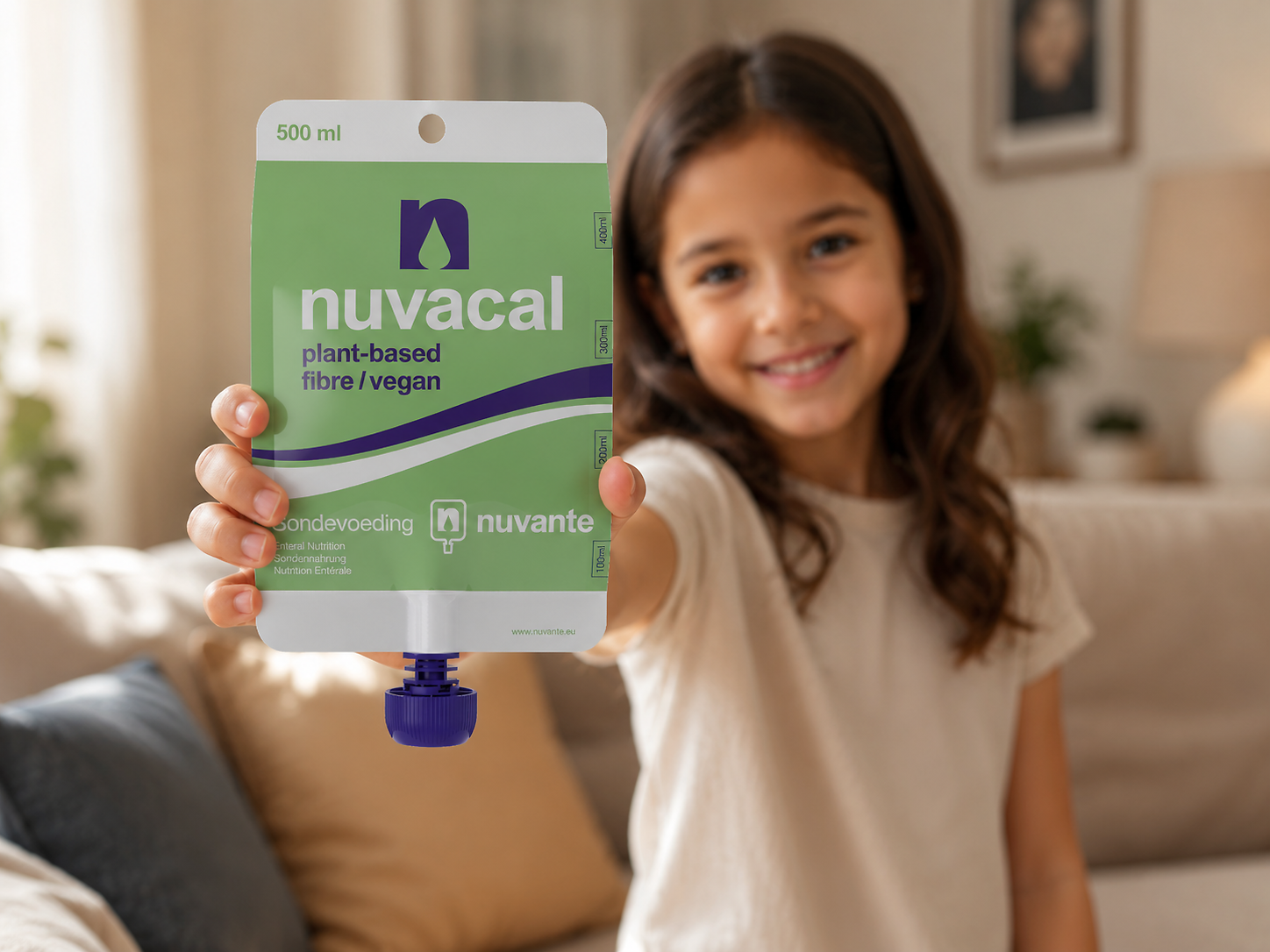
Amino acids are the building blocks of proteins. The body can produce some amino acids itself, while essential amino acids must be obtained through the diet. A complete amino acid profile provides all essential amino acids in appropriate proportions.
This is important for building and maintaining muscles and other tissues. In addition to the amino acid profile, the total amount of protein consumed each day also matters. The dietitian will assess whether the prescribed amount of Nuvacal 1.3 provides sufficient protein for the patient.
How is the protein profile of Nuvacal 1.3 formulated?
Nuvacal 1.3 contains plant-based proteins from sources including soya beans, green peas and soya protein isolate. The formula is supplemented with the amino acids L-methionine, L-tryptophan and L-cystine. Together, these sources contribute to the formula’s complete amino acid profile.